
Trade Futures, Spreads and Options with Confidence.

Since 1995, we've provided customized services to thousands of traders. OUR CULTURE IS ONE OF TRUST. OUR MISSION: Independence, Objectivity and Reliability.
Futures trading services personalized and aligned with your goals.
With a variety of market approaches for traders and producers at every level, we provide the education and tools you need to optimize your trading experience.

Assistance (Hands-Off or Hands-On)
Trade directly through an online futures trading platform, work with a broker of your choice, or let someone else do the trading for you. It’s all in your control.

Education and Insight
Traders and producers can gain priceless insight and confidence through our expertly crafted educational materials, including guides, charts, calculators, tutorials, videos, reference materials, news, and more.

Trading Platform and Tools
With all of the features you need to handle even the most advanced trading strategies and order management, our trading software will instantly make your job easier.
Solutions to Meet Your Objectives
With a variety of market approaches for traders and producers at every level, we provide the education and tools you need to optimize your trading experience.

Personalize Your Trading.
Customize futures trading arrangements based on your unique needs, experience level, and style.

Run a Better Ag Operation.
Tap into the pulse of the global grain scene to leverage trade ideas, ag market planning and hedging advice.

Discover Commodity Investing.
Explore solutions to participate in commodities without actively trading, and create a plan tailored to you.

Gain Perspective.
With a variety of insight-packed advisories from our experts, get valuable ideas to inform your trading.

Continue Learning.
Expand your trading skills with comprehensive educational tools and ongoing learning opportunities.

Be Prepared.
Approach the markets with confidence. Get free access to key trading resources and reference tools.

Meet Our Brokers
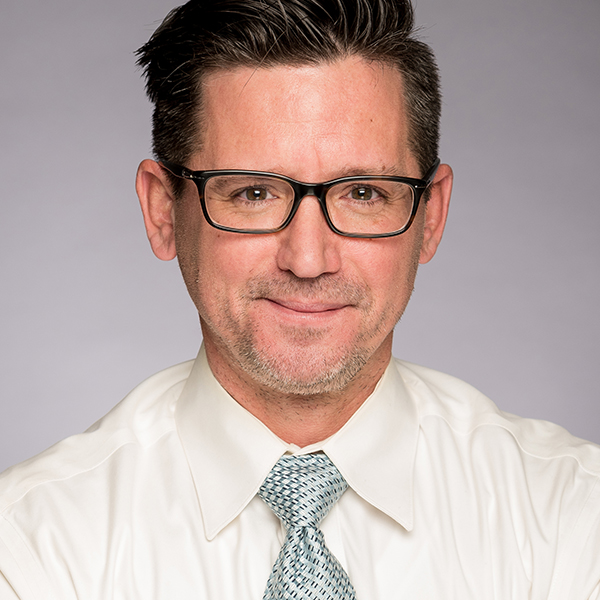
Brian Cullen
Brian Cullen is a Senior Futures and Options Broker and Market Strategist with Daniels Trading. He is the publisher of The Cullen Outlook newsletter and the author of How To Guide: 10 Rules for Technical Futures Trading and How To Guide: 12+ Candlestick Formations Every Technical Trader Should Know, guides for traders looking to learn or improve their technical trading skills.
Broker Facts:
Success tip: He scans the market section every day looking for technical setups and chart formations.
Fraternity: Sigma Chi (Epsilon Upsilon Chapter of Arizona State University)

Burton Schlichter
Burton “Burt” Schlichter has more than 20 years of futures trading experience, including educating, mentoring, and executing for retail and institutional clients. He places a strong emphasis on trading the markets from a technical standpoint and on utilizing spread trading. Additionally, Burt has extensive knowledge of options trading strategies.
Broker Facts:
- Goes by: “Burt”
Favorite quote: “I don’t believe in Holy Grails. Plan the trade. Trade the plan.” – B. Schlichter - Favorite pro tips: “6 Keys to Successful Trading”
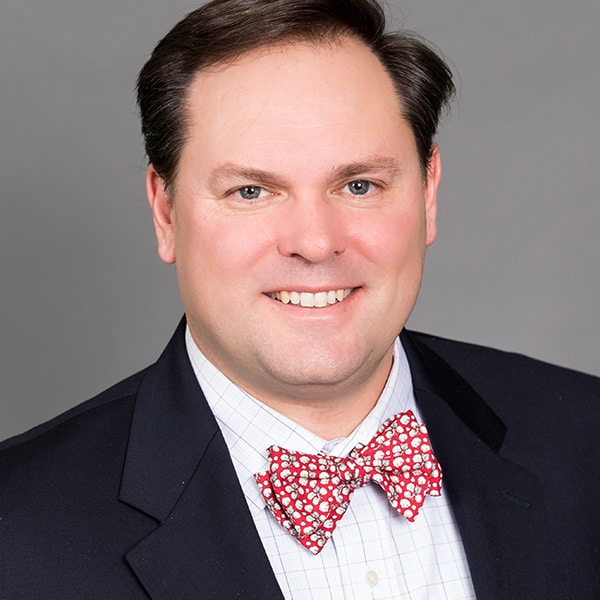
Craig Turner
Craig Turner is a Senior Broker at Daniels Trading, author of Turner’s Take Newsletter and Podcast and Turner’s Take Ag Marketing. Craig is often quoted in the Wall Street Journal, Reuters, Dow Jones Newswire, and Corn & Soybean Digest, and also makes appearances on SiriusXM — Rural Radio Channel 80, providing commentary for the grain and livestock markets.
Broker Facts:
Favorite market: Grains
Favorite pizza: Biased toward New York style, but he loves both.
Favorite sports team: Liverpool FC!
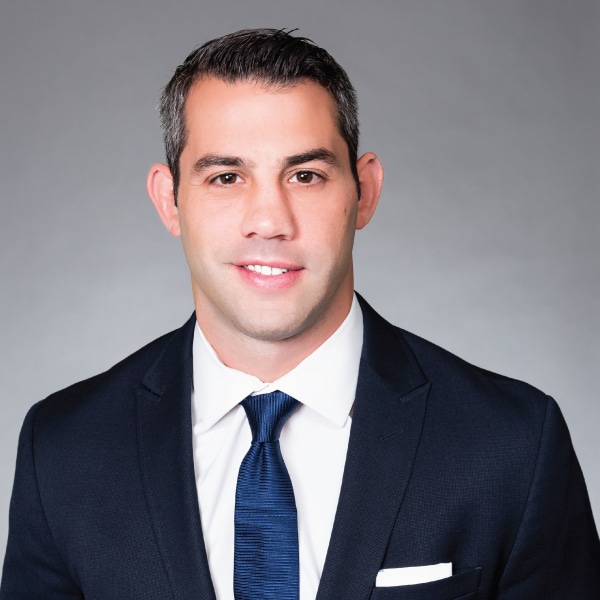
Don DeBartolo
Don’s responsibilities as a broker include providing market analysis, trade execution, and money management to his clients around the world. He is the author of trade advisory, Trade Spotlight, for clients of the firm seeking specific trade recommendations and subsequent risk management and publishes Data Feed Trade to provide trading strategies that offset the cost of market data fees.
Broker Facts:
Started out as: An arbitrage clerk in the S&P futures pit at the Chicago Mercantile Exchange (CME).
Specializes in: Futures and commodity options, option writing.
Played for: The Chicago Griffins rugby club.
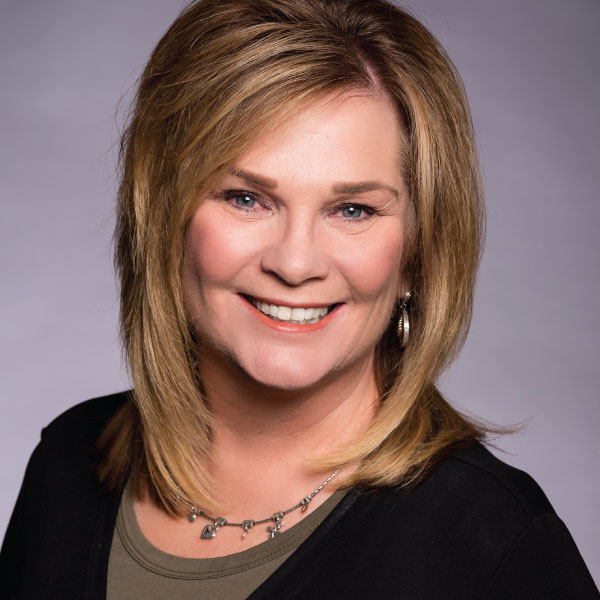
Donna Hughes
In 1980, Donna became Series 3 licensed and joined a firm led by prominent pork belly hedger George Segal where she expanded on her knowledge of physical commodities by hedging and merchandising pork bellies. It was during that time that Donna gained the knowledge and experience for hedging and markets that she utilizes today to assist producers in their Risk Management strategies.
Broker Facts:
Hometown: Chicago, Illinois
Currently Resides: Abilene, Texas
Area of Expertise: Commodity Commentary
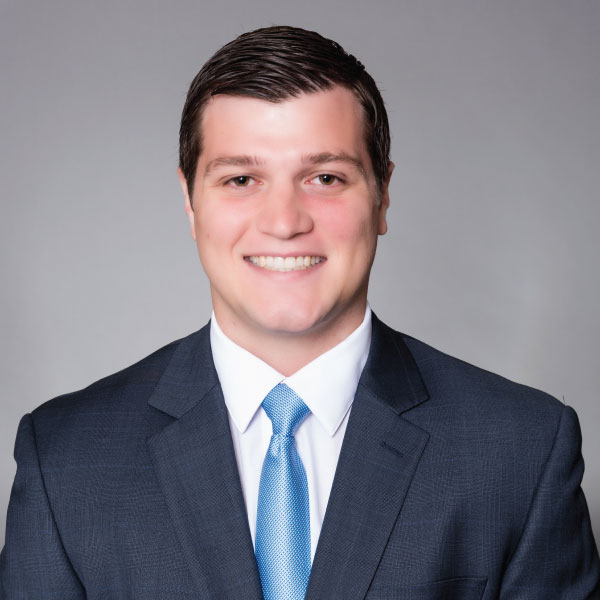
Jace Jarboe
Jace is devoted to learning all aspects of the futures industry and is dedicated to helping his clients achieve their short- and long-term trading goals. Jace assists clients in a variety of commodity sectors, with both speculating and hedging, and through utilizing futures, options, spreads, and spot FX.
Broker Facts:
He writes blog posts: Blog Posts by Jace
And e-books: eBooks by Jace
And has hosted a ton of webinars: Webinars by Jace
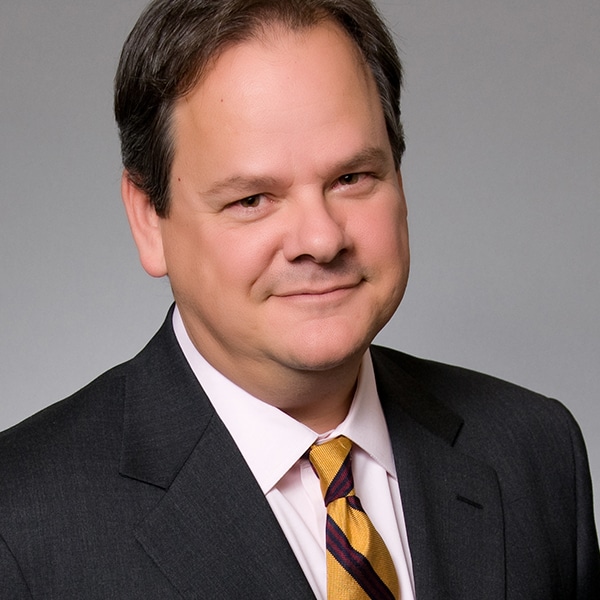
Jim Burket
In 1990, Jim received an intriguing offer from Andy Daniels to join him at Linnco Futures, and they have worked together ever since. Currently, Jim is Senior Vice President at Daniels Trading, using his extensive background in trade execution, brokerage, and back-office navigation. He has watched Daniels Trading grow from a two-man operation to its current position as one of the largest introducing brokers.
Broker Facts:
First job: Menswear retail sales
Where he learned the futures business: As a clerk in the treasury bond futures pit on the Chicago Board of Trade grain floor.
Years in the industry: 25+
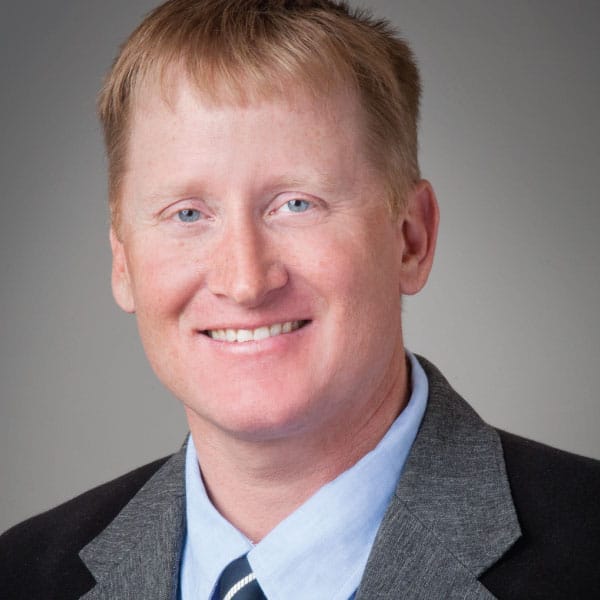
Kirk Donsbach
Kirk was born and raised in production agriculture. His experience in hedging was developed over 14 years of hands-on experience helping to manage his family’s cow/calf operation. In an effort to assist his fellow producers in risk management, Kirk became a Daniels Trading Broker in 2015.
Broker Facts:
Graduated from: Rocky Mountain College
Sits on: The board of the local public school
Second job: Managing/operating the family cow/calf operation in rural Montana

Tom Dosdall
Tom has supported traders and investors worldwide across all Daniels Trading execution categories. With the understanding that each client is unique, Tom has shown an ability to listen to the needs of each and match them with the service or product that best suits their circumstances.
Broker Facts:
Author of: Technical Ag Knowledge
Market perspective: 80% technical, 20% fundamental
Expertise: Grains, cattle, dairy, and lean hog markets
Meet dt Pro — Our Signature Trading Platform
Traders are only as good as the tools they use. If you aren’t using a robust, feature-rich platform like dt Pro, you might not be working to your full potential. Whether you are just starting out as a trader or are looking to upgrade your experience, we believe dt Pro is one of the top-performing futures trading software platforms for a reason.

All Major Futures Markets at Your Fingertips
What would you like to trade?
We can work with you to begin trading futures or options—or build on your experience and knowledge—in the most popular commodity markets.

Agriculture markets
A wide range of products, including corn, wheat, cattle, lumber, coffee and cotton.

Foreign exchange (FX) markets
More than 30 currencies around the world.

Interest rate markets
Eurodollars, U.S. Treasury securities, 30-day Fed funds and interest rate swaps.

Energy markets
Crude oil, natural gas, gasoline, heating oil and electricity.

Equity Index markets
US equity stock indices such as the S&P 500, Dow Jones Industrial Average and NASDAQ 100.

Metals markets
Precious metals—gold, silver and platinum—as well as industrial metals like copper.

Our customers love our services
“My broker, who is a senior member of the team, and is often in the media giving interviews about commodity markets, takes the time to give me the same type of information I believe he would give to someone with 20 times my account value. He also does not shunt me off to his assistant, but takes the time himself to provide detailed analysis of the market we are trading in. He and his assistant care about their clients and routinely call or email with trade recommendations and advice. Great value for the money so far.”
Robert S.
“Great customer support, quick and easy fix to any problem.”
Edward G.
“The customer support and trading platforms are superior.”
Richard
“A refreshing change from the typical broker, and I was greatly surprised by that. Instead of waiting and waiting to music on the phone, a person picks up the phone and talks to you. Instead of no education, some real and valuable education in the videos. The support, service, and communication are amazing.”
Kevin W.
“[My Broker] at Daniel's Trading is amazing! As a small account holder, he gave me the level of attention that, in my opinion, is most commonly given to people with seven figure accounts. He was very patient with my efforts and responded to my question in an extremely timely manner. I cannot recommend this firm enough!”
Jason P.
“Great Staff! Great experience! A++++++ Hands down a great company across the board. For traders at all levels! Very responsive!”
Anthony M.
Read more reviews on Trust Pilot
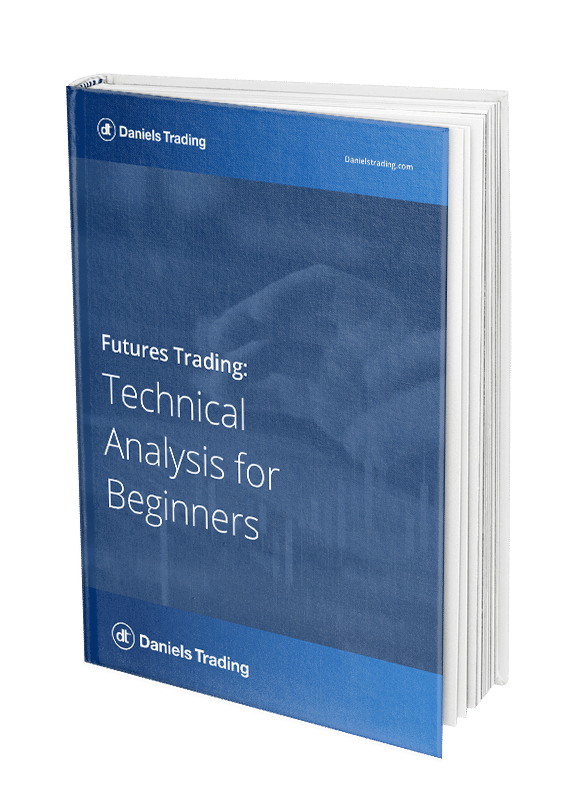
Learn the fundamentals and gain technical knowledge in this guide.
Ready to get started with trading futures or advance your current skill set? Becoming a successful futures trader means studying the concepts and strategies of trading, no matter your level of experience.
In this guide, you’ll learn how to read quotes and contract specifications. You’ll also learn about charting analysis, building strategies, and optimizing how you engage with the market.



Futures trading, elevated.
Personalized service. Trusted technology. Exceptional value. Trade futures, spreads and options with confidence.
Futures Trading Education
Want to learn more about futures trading? Our library of on-demand courses, webinars, and ebooks has helpful content for traders of all experience levels. Check it out now to learn about futures trading fundamentals and access tips and strategies used by industry pros.

* Based on customer data from 2010-2019 in aggregate